FIFA Women World Cup Semi Finals
The Women's Football World Cup Semi Finals are one of the most prestigious stages of the FIFA Women's World Cup, bringing together the four teams that have successfully progressed through the quarter-finals. At this stage, every match determines who will reach the World Cup final and compete for the biggest prize in international women's football.
The semi-finals feature the tournament's final four teams and often produce some of the most memorable matches of the competition. With a place in the final at stake, supporters can expect intense football, tactical battles and high-pressure moments as teams compete for a chance to become world champions.
How the Women's World Cup Semi Finals Work
Four teams qualify for the semi-finals after winning their respective quarter-final matches. These teams are divided into two knockout matches, with the winner of each semi-final advancing to the World Cup final.
There are no group-stage points or second legs at this stage. Each semi-final is a single decisive match. If the score is level after 90 minutes, the teams play 30 minutes of extra time. If there is still no winner after extra time, the match is decided by a penalty shootout.
Women's World Cup Semi Finals Matches
The semi-final matchups are determined by the tournament bracket. The winners of the designated quarter-finals meet in the first semi-final, while the winners of the remaining quarter-finals compete in the second semi-final.
The exact teams involved depend on the results of the earlier knockout rounds. The semi-finals can feature traditional women's football powers as well as nations making a historic run toward their first World Cup final.
Women's Football World Cup Semi Finals Format
Each semi-final is played as a single knockout match. The team that scores more goals after regulation time advances to the final. If the match remains level after 90 minutes, extra time is played, followed by a penalty shootout if necessary.
The pressure is particularly high at this stage because one successful performance separates a team from a place in the World Cup final. Coaches must make important tactical decisions while players need to remain focused throughout the match.
Teams in the Women's World Cup Semi Finals
The semi-finals can feature established contenders such as the United States, Germany, Brazil, Japan, England, France and Spain, depending on qualification and tournament results. However, the knockout format also creates opportunities for emerging nations to reach the final four.
Reaching the semi-finals represents a major achievement for any national team. The four remaining sides will have already overcome strong opposition, making the final stage of the competition a showcase of the highest level of women's international football.
Key Matches in the Women's World Cup Semi Finals
Women's World Cup semi-finals are often among the most anticipated fixtures of the entire tournament. Matches at this stage can bring together teams with contrasting tactical approaches, creating fascinating contests in which every opportunity can be decisive.
Supporters can expect high-quality attacking football, organised defending, individual moments of brilliance and potentially dramatic extra-time or penalty-shootout finishes. A single goal can determine which team reaches the biggest match of the tournament.
Women's World Cup Semi Finals Tickets
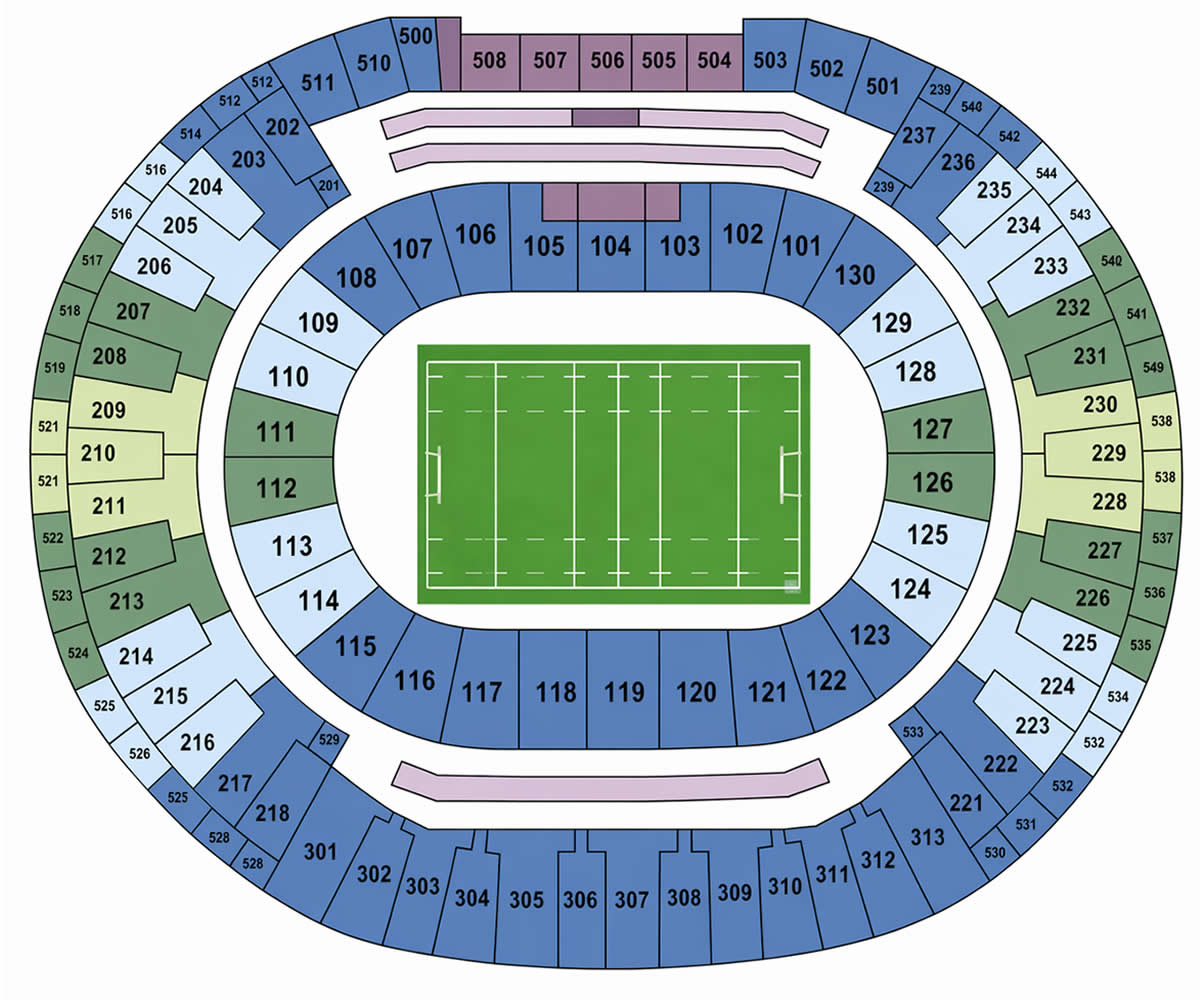
Fans searching for Women's Football World Cup Semi Finals tickets can follow official ticket availability for the FIFA Women's World Cup. Supporters will have the opportunity to watch the final four teams compete for two places in the World Cup final.
Semi-final tickets are particularly attractive because these matches are among the final opportunities to watch the tournament's leading teams before the championship match. The atmosphere is expected to be intense as supporters witness teams fighting for a place in the final.
Brazil Hosts the Women's World Cup 2027
The 2027 FIFA Women's World Cup will be hosted by Brazil, making it the first Women's World Cup staged in South America. Matches will be played across eight host cities, including Rio de Janeiro, São Paulo, Brasília, Belo Horizonte, Fortaleza, Porto Alegre, Recife and Salvador.
The semi-finals will represent a major moment in the tournament's Brazilian edition, bringing the final four teams together as the competition reaches its decisive stages. Brazil's passionate football culture will provide an exciting backdrop for the race to the final.
What to Expect from the Women's World Cup Semi Finals
The semi-finals are expected to deliver some of the highest-quality and most competitive football of the tournament. Teams will need to combine attacking ambition with defensive discipline while managing the pressure of playing for a place in the World Cup final.
Fans can expect tactical battles, outstanding individual performances, dramatic goals and potentially penalty shootouts as the remaining nations fight to reach the championship match.
Women's Football World Cup Semi Finals Tickets
Fans looking for Women's Football World Cup Semi Finals tickets can monitor ticket releases and availability for the 2027 FIFA Women's World Cup in Brazil. The semi-finals will offer supporters the chance to watch two decisive matches featuring teams competing for a place in the World Cup final.
From the Round of 16 through the quarter-finals and semi-finals, the FIFA Women's World Cup provides a series of increasingly important knockout matches. The semi-finals will determine the two nations that earn the right to compete for the Women's World Cup trophy.