NFL Rio de Janeiro
NFL Rio de Janeiro is set to become one of the most exciting international additions to the National Football League’s expanding global schedule. As the NFL continues bringing American football to major international cities, Rio de Janeiro has emerged as a key destination due to Brazil’s passionate sports culture, massive fanbase, and growing interest in the NFL. The arrival of NFL games in Rio highlights the league’s commitment to expanding throughout South America and reaching millions of new fans worldwide.
The Rise of NFL Rio de Janeiro
The NFL’s expansion into Rio de Janeiro reflects the growing popularity of American football throughout Brazil and South America. Over recent years, Brazil has become one of the NFL’s fastest-growing international markets, with increasing television audiences, merchandise sales, and fan engagement across the country.
Rio de Janeiro became an important target for NFL international expansion because of its worldwide sporting reputation, energetic atmosphere, and history of hosting major global events. The city’s strong sports culture and international visibility made it an ideal location for bringing regular-season NFL football to Brazil.
As the NFL expanded its global presence, Rio de Janeiro quickly gained attention as one of South America’s most promising destinations for international football events.
2026 NFL Rio de Janeiro Game Schedule
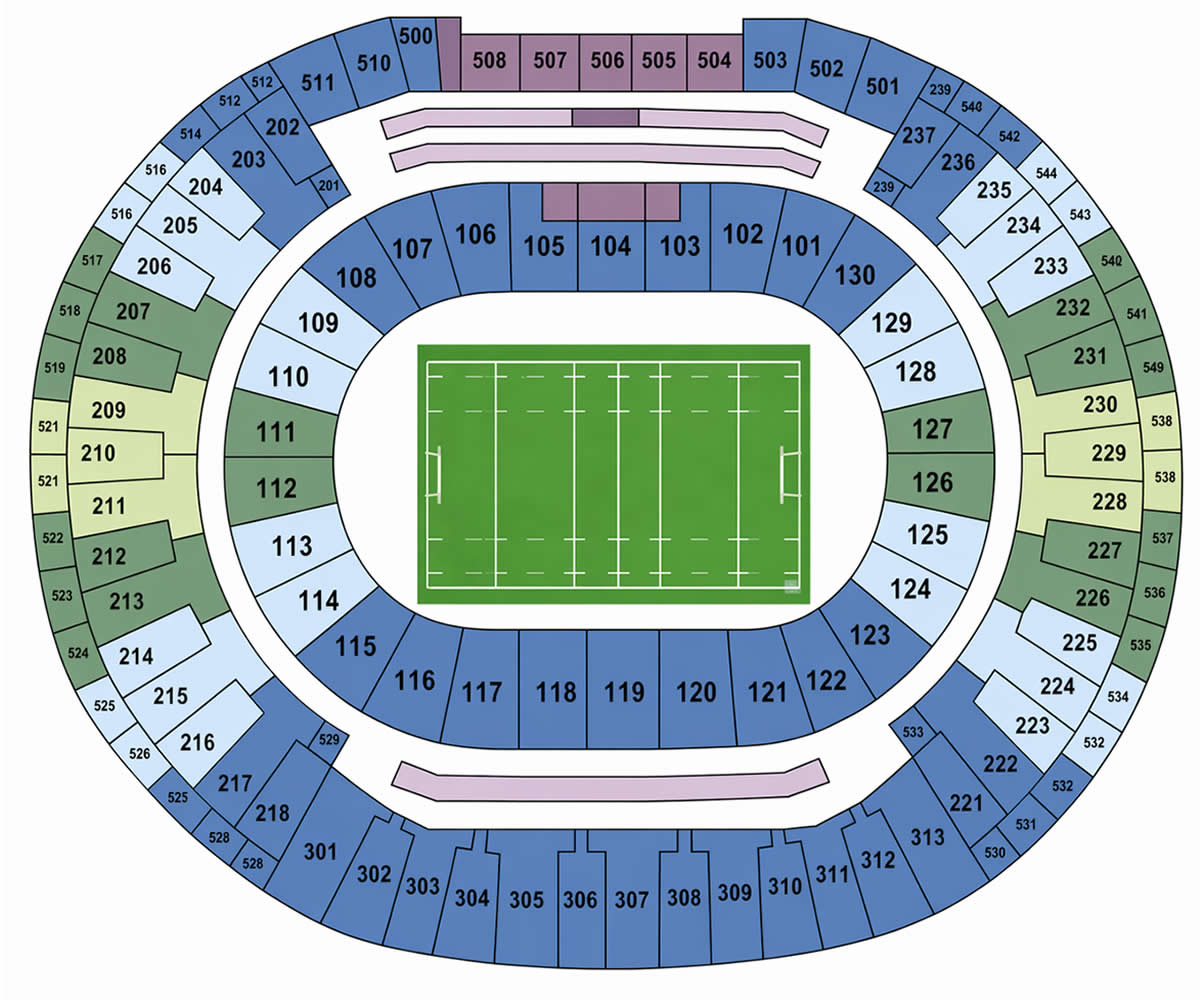
The 2026 NFL international schedule officially includes a historic regular-season matchup in Rio de Janeiro as part of the league’s worldwide expansion strategy. The Tampa Bay Buccaneers are scheduled to face the Miami Dolphins at Maracanã Stadium on September 18, 2026.
The matchup is expected to attract enormous international attention due to Brazil’s passionate sports fans and the growing excitement surrounding NFL games in South America. Fans from across Brazil and neighboring countries are expected to travel to Rio de Janeiro to experience live NFL action.
The Rio de Janeiro game forms part of the NFL’s record-breaking international schedule, which includes regular-season games across Europe, Australia, and Latin America during the 2026 season.
The Importance of Rio de Janeiro to the NFL
Rio de Janeiro has become an important location for the NFL because Brazil represents one of the league’s largest and fastest-growing international fan markets. The city provides the NFL with access to millions of passionate sports fans and a rapidly expanding audience interested in American football.
The NFL’s expansion into Rio demonstrates the league’s long-term commitment to growing the sport throughout South America. Brazil’s massive population, strong sports culture, and international influence make Rio de Janeiro a valuable destination for future NFL growth.
The success of NFL Rio de Janeiro could help strengthen football development programs, commercial partnerships, and fan communities throughout Brazil and neighboring countries.
Iconic Stadiums and Fan Experience
NFL Rio de Janeiro games are expected to take place at the legendary Maracanã Stadium, one of the most famous sporting venues in the world. Known for hosting historic football matches and international events, the stadium provides a world-class environment for NFL competition.
The stadium’s massive capacity, energetic atmosphere, and passionate fans are expected to create one of the most exciting experiences in the NFL international series. The combination of Brazilian sports culture and NFL entertainment is likely to deliver a unique and unforgettable event.
Fans attending NFL Rio de Janeiro are expected to enjoy entertainment festivals, live music, interactive fan experiences, and team activities surrounding the game weekend.
Global Popularity and International Expansion
The introduction of NFL Rio de Janeiro highlights the NFL’s continued international growth and increasing popularity across South America. The league now hosts regular-season games in countries including the United Kingdom, Germany, Spain, Australia, Mexico, and Brazil.
Rio de Janeiro’s inclusion in the NFL international schedule reflects the growing worldwide demand for American football and the league’s confidence in the South American market. The NFL’s ability to attract global audiences has helped transform the sport into one of the world’s leading entertainment brands.
The growing popularity of NFL Rio de Janeiro also demonstrates Brazil’s emergence as an important destination for major international sporting events and global entertainment experiences.
The Future of NFL Rio de Janeiro
The future of NFL Rio de Janeiro appears extremely promising as the league continues expanding internationally. Strong fan support, increasing television audiences, and growing interest in American football throughout Brazil are expected to strengthen Rio’s role in future NFL seasons.
Future NFL events in Rio de Janeiro could potentially include additional regular-season games, expanded fan experiences, and increased football development initiatives throughout South America. The city’s ability to host major sporting events positions Rio as a valuable long-term destination for the NFL.
As American football continues growing globally, NFL Rio de Janeiro is expected to become one of the premier showcases for the sport in South America.
A Historic Expansion of American Football in Brazil
NFL Rio de Janeiro represents a major milestone in the global growth of American football, bringing elite NFL competition to one of the world’s most iconic sporting cities.
Through legendary stadiums, passionate fans, and worldwide attention, NFL Rio de Janeiro is expected to become one of the standout events in the NFL international series. With growing international ambitions and expanding popularity across South America, Rio de Janeiro continues to symbolize the NFL’s global future.